The current Collective Bargaining Agreement between Major League Baseball and the MLB Players Association runs through December 1, 2026. If a new deal isn’t reached by that date, baseball could face a work stoppage heading into the 2027 season. While a stoppage seems to be a foregone conclusion to some, this article isn’t about predicting that outcome. It’s simply doing what smart collectors try to do: look ahead.
Think of it this way — if we had known in January of 2020 what was coming in March, the hobby landscape might have looked very different. But even with forewarning, it still would have been impossible to predict what happened to the hobby–all hobbies!–during COVID.
But let’s look forward anyway!
If baseball were to experience a prolonged work stoppage beginning in late 2026 or impacting the 2027 season, what would likely happen to the baseball card market — especially modern vs. vintage?
How a 2027 MLB Work Stoppage Could Impact Modern Baseball Cards
Modern baseball cards are momentum-driven. With no momentum, modern could stall, or even crash. Modern cards often spike because of performance, and panic buying can be contagious. Speculators react quickly. Prices jump. Listings disappear.
And let’s face it: the modern market is full of speculators. The products feature case hits, chase cards, and 1/1’s that feed into a gambler’s mentality that has swept through every facet of sports and for that matter broader culture.
Imagine a summer with no rookie debuts, no MVP races, no Cy Young campaigns. When games are being played, the modern hobby has a pulse. If play stops for a prolonged period, ultramodern could go on life support. And if so, the fallout for vintage could seemingly go either way. More on that in a minute.
New Product Releases Lose Their Relevance
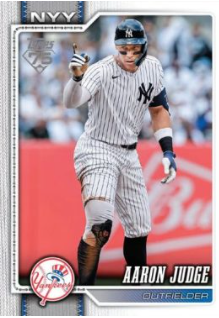
Manufacturers build release calendars around the season. But ripping a fresh hobby box loses some of its magic when the players in the packs aren’t actively competing. Among other problems, prospects and rookies have no chance to peak or blossom. When I was a kid, about half the fun was stockpiling Willie McGee rookies and praying for a breakout (hey, he was better than Gregg Jeffries!).
With a long stoppage, retail fatigue will set in quick–and that’s not even factoring in the outright anger many fans will feel. The damage will be short term–but could linger for years. It took 3+ years for baseball to rebound from the 1994-1995 strike. If it appears the season will be delayed or scrapped, does Topps still roll out 2027 Series 1 in February, as usual?
Is Vintage Safe(r)?
Obviously, vintage baseball cards don’t rely on last night’s stat line–at least not directly. Vintage players have stories that are already written–legacies secured. They aren’t printing any more vintage cards, and unlike modern 1/1’s the scarcity of vintage is not of the manufactured variety.
On the other hand, fan sentiment could really turn during a long stoppage, and that could take many collectors out of the market. A mass exodus would obviously hurt vintage to some degree.
But vintage has always been seen as a longer-term investment–more stable–and more rooted in immutable history. That foundation might make vintage less vulnerable to short-term disruption.
One “pro” for vintage during a lockout is that scarcity becomes more attractive during uncertainty. This is precisely what happened during COVID, and in broader economic terms, is more or less what happens with gold, historically. In uncertain periods, some might just leave the hobby or pause. But during hard economic times, true collectors often shift from speculative upside to established scarcity. That pivot could support renewed or spiked vintage demand.
High-End Vintage vs. Mid-Tier Vintage
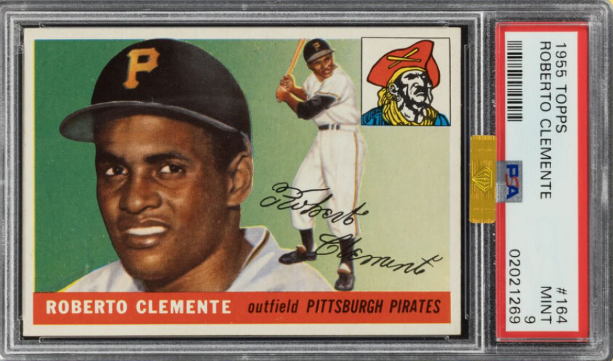
Not all vintage segments would react the same way. During COVID, just about everything spiked. We even saw new interest in second-tier HOF players, multiplayer League Leaders cards, and the like. But in a lockout situation, I would expect high grade, blue-chip investment cards to see the biggest increases. The buyers of these cards are often investors with longer time horizons. In a work stoppage scenario, this segment could remain steady and potentially attract capital rotating out of modern speculation.
Collector-Grade Vintage
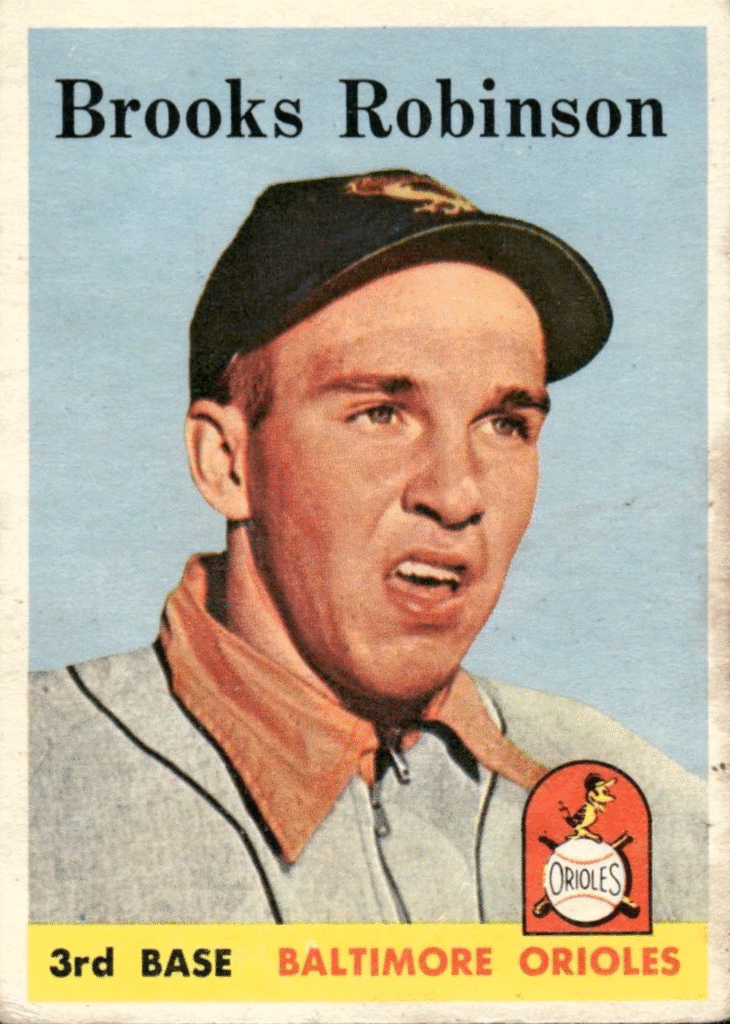
Mid-grade icons and attainable vintage are the backbone of the vintage hobby. While ’69 Mantles and the like may not surge dramatically, during a 2027 MLB stoppage this segment might offer relative stability compared to speculative modern categories. Frustrated modern collectors looking to scratch their itch might find their way to the hobby for the very first time. If so, we can pretty easily predict what they will shop for first: Mantle. Mays. Aaron. Jackie. Clemente. Etc.
Broader Economy Still Matters
A couple of key caveats: 1) a work stoppage doesn’t happen in isolation and 2) duration matters.
For example, if a 2027 shutdown coincided with:
-
Broader market instability
-
A recession
-
Consumer spending contraction
. . . then all discretionary collectibles could feel pressure. Sports cards are not immune to macroeconomic forces.
But historically, when demand contracts, my observation is that this hierarchy tends to hold:
-
Speculative modern weakens first
-
Mid-tier modern follows
-
Collector-grade vintage stabilizes
-
Blue-chip vintage proves most insulated
The longer the stoppage, the more pronounced the divergence.
Could a 2027 MLB Stoppage Actually Strengthen Vintage?
It’s one thing to speculate about whether vintage could comfortably survive a stoppage. But could vintage actually thrive?
When active competition pauses, collectors usually react in just a couple of ways. Option 1: apathy. Option 2: nostalgia. And we all know how a national bout of nostalgia affected vintage during COVID! It might be a longshot, but the idea of a vintage mini-boom during a prolonged pause in MLB action isn’t too far fetched.

Great article…One additional way a stoppage could actually strengthen the market… long-suffering small market fans will feel renewed if their teams can actually compete like they do in all other major sports. As a huge Pirates fan, I love baseball, but the hopelessness and constant “Paul Skenes will look good in a Dodgers uniform” environment today absolutely lessens my feelings about the sport in general, and probably affects my collecting habits.